Application

Crop weeding & cultivation

Crop robots can automate tasks such as sowing, row marking, cultivation and mechanical weeding. The important buying question is whether the platform, navigation and implement ecosystem match the farm’s crop spacing, terrain and seasonal workload.

What to consider before choosing

Typical environments include:

  • Market gardens
  • Vegetable crops
  • Specialty crops
  • Nurseries

Potential benefits

  • Reduces repetitive weeding and cultivation work
  • Can perform precise repeatable passes using RTK guidance
  • Tool ecosystems can support multiple crop tasks
Decision factors

Validate the deployment, not only the spec sheet.

  • Working width and crop spacing
  • Available implements and tool changeover
  • Runtime, charging and daily field capacity
  • Terrain, headlands, GNSS coverage and remote supervision
Find the right robot
Limits & trade-offs

What the product page may not tell you.

  • Field capacity varies with tool, crop and soil conditions
  • Autonomy does not remove the need for field planning and exception handling
Robots available

3 potential matches in the sourced catalog.

Inclusion means the robot is mapped to this use case from available product information. It is not a guarantee that the product fits every site.

A starting comparison

Ask the right questions.

Compare 3 models
RobotPrice / statusPublished detailCheck before choosing
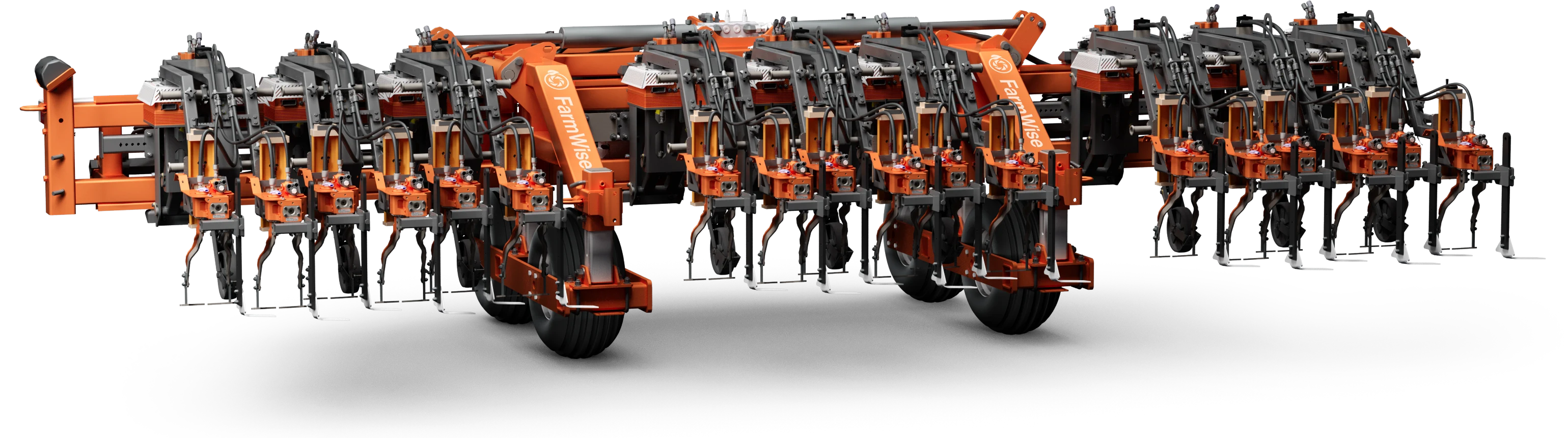
FarmWise VulcanContact manufacturerTask scope: Vision-guided intra-row weedingThis is an implement, not a documented self-driving vehicle
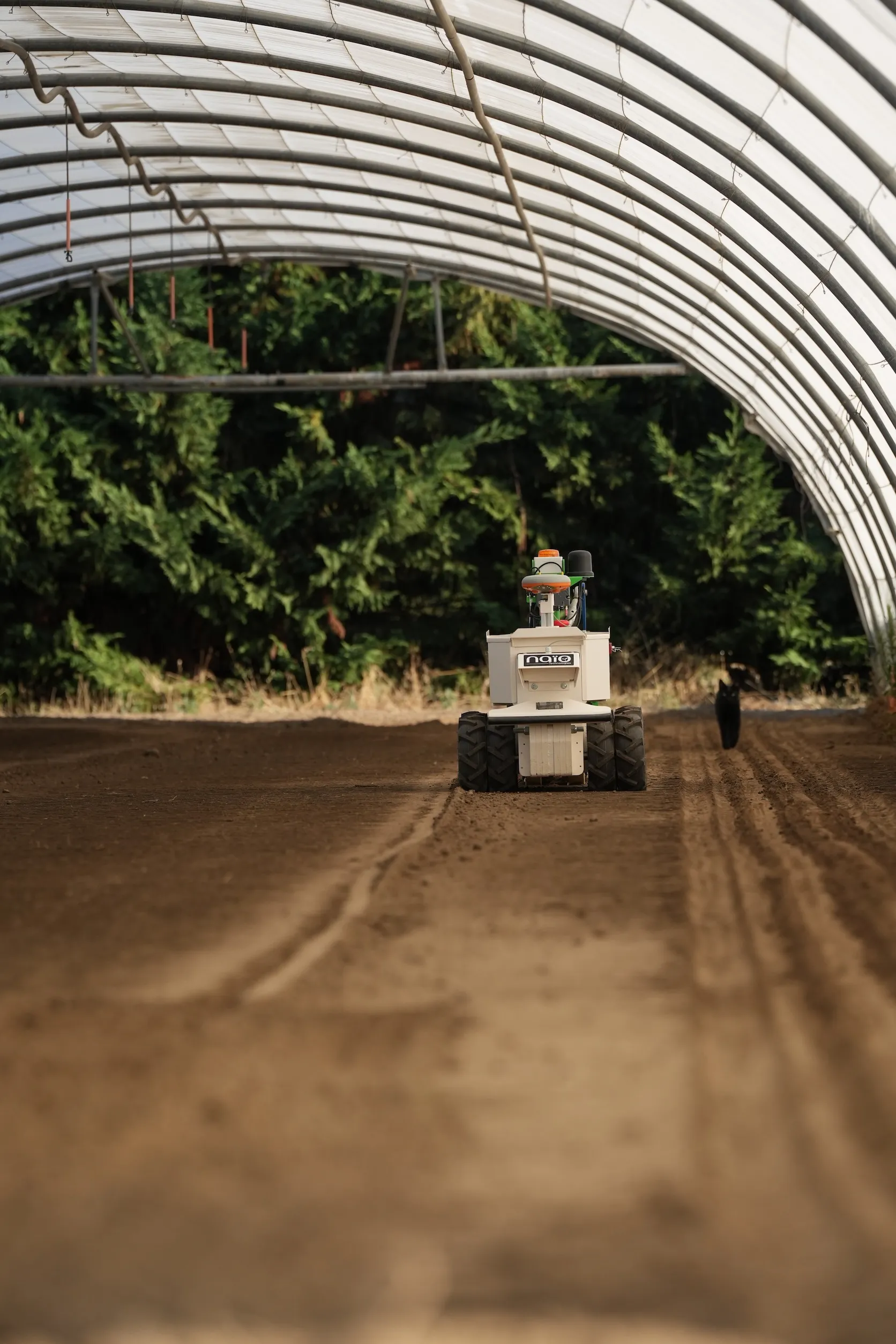
Naïo OZContact manufacturerRuntime: Up to 8 hTool choice and crop geometry determine actual capability
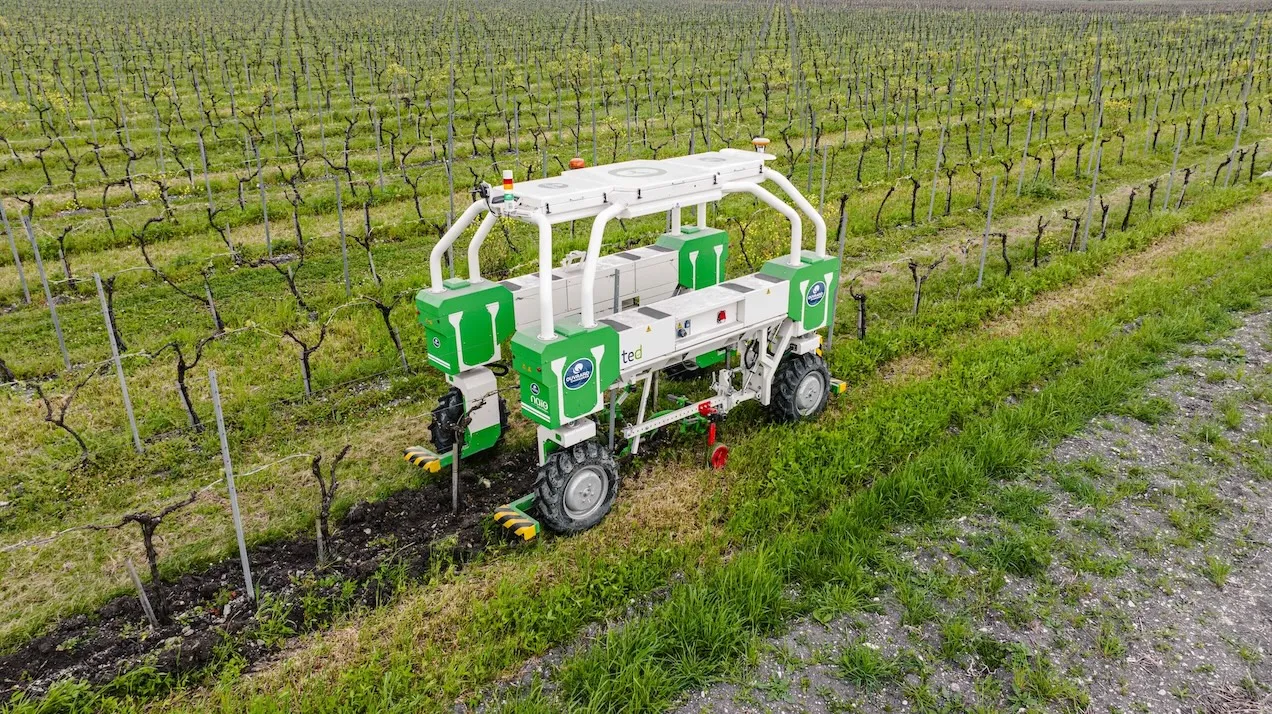
Naïo TEDContact manufacturerNavigation: GNSS RTKTool and row compatibility need field assessment

Prices refer to the source market and configuration on each robot page. An unpublished price does not establish whether a quotation service is offered.

Related tasks and industries