Application

Food & item delivery

Service robots can move dishes, trays or items between kitchen, service and guest areas. They are best evaluated as a workflow tool that reduces walking—not as a replacement for hospitality itself.

What to consider before choosing

Typical environments include:

  • Restaurants
  • Hotels
  • Food courts
  • Event venues and care environments

Potential benefits

  • Reduces repetitive carrying and walking
  • Can support peak periods with predictable transport missions
  • Creates a visible, repeatable delivery workflow
Decision factors

Check it on site.

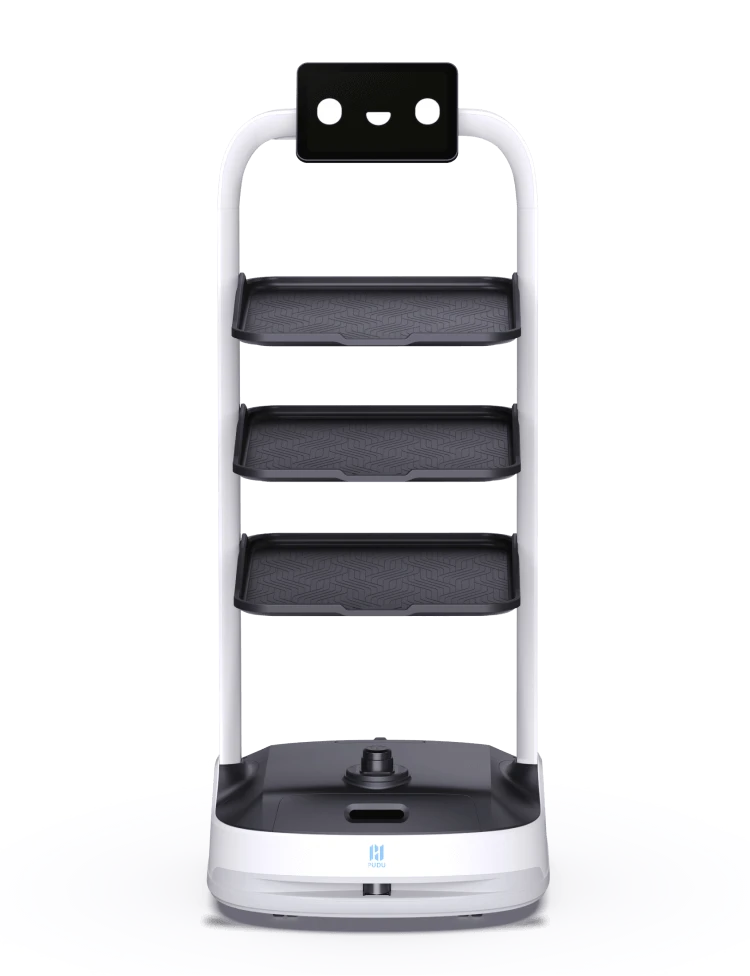
  • Tray capacity and total load
  • Aisle widths, ramps, doors and elevator requirements
  • Pedestrian density and safe interaction
  • Cleaning, charging and local after-sales support
Find the right robot
Limits & trade-offs

The limits to keep in mind.

  • Human service remains essential for exceptions and guest interaction
  • Crowded or highly dynamic layouts can reduce efficiency
Robots available

14 models to explore in the catalogue

These robots are listed for this task. Check that they suit your site.

A starting comparison

Ask the right questions.

Compare 2 models
RobotPrice / statusPublished detailCheck before choosing
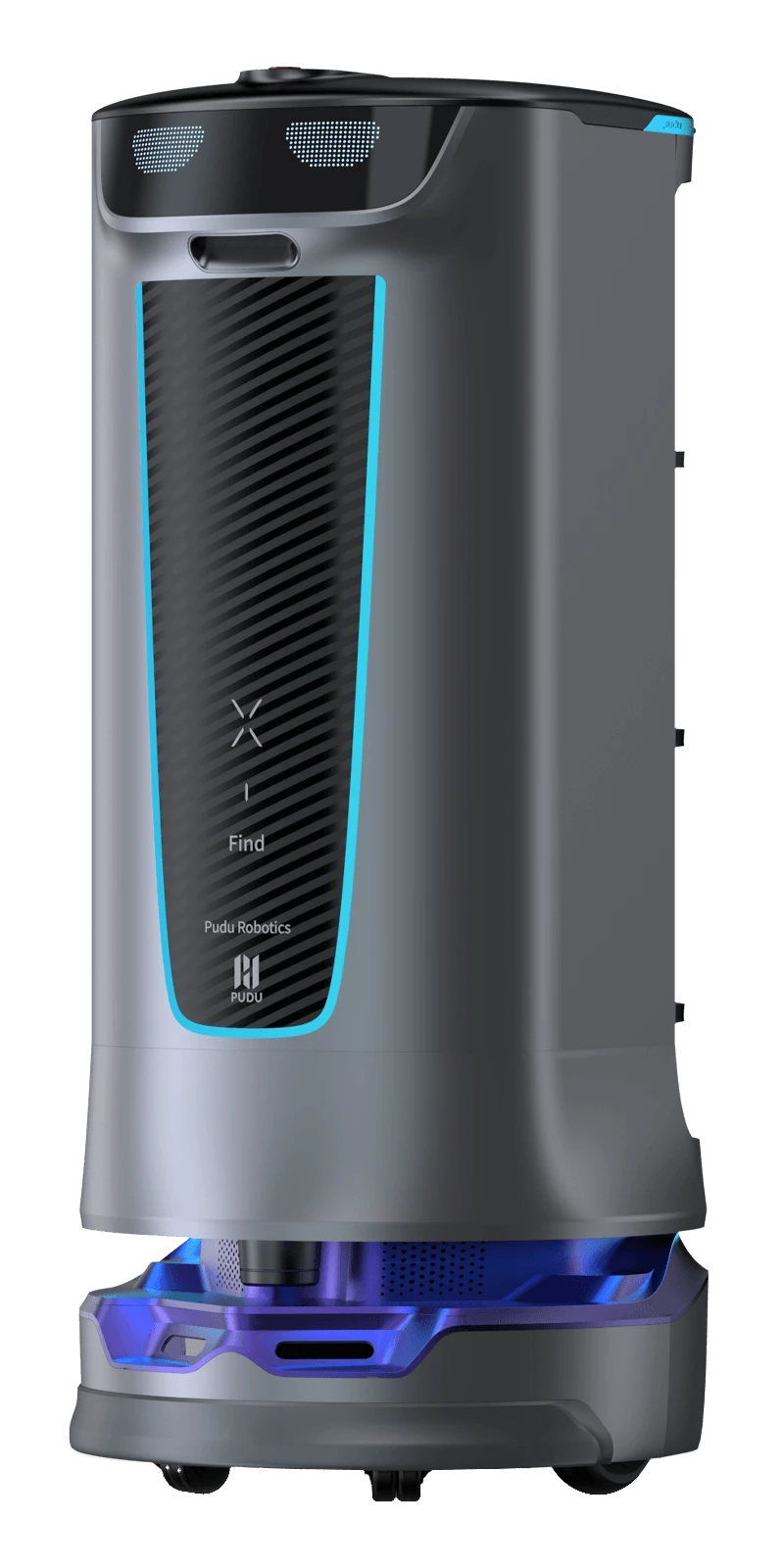
PUDU PuduBot 2≈ USD 13,161.60Maximum load: 40 kgRequires an 80 cm passage; official page gives inconsistent runtime figures
PUDU Robotics HolaBot≈ USD 18,634.63Payload: 60 kgPagers and loading boxes are separate purchases

Prices apply to the market and version shown on each profile. A missing price does not guarantee a quote service.

Related tasks and industries

Read before you buy