Home & garden
Robotic pool cleaners
Corded or cordless? Compare cleaning coverage, filters, prices and published tests.
26 models
Popular models first, then test scores and our selection. How we choose
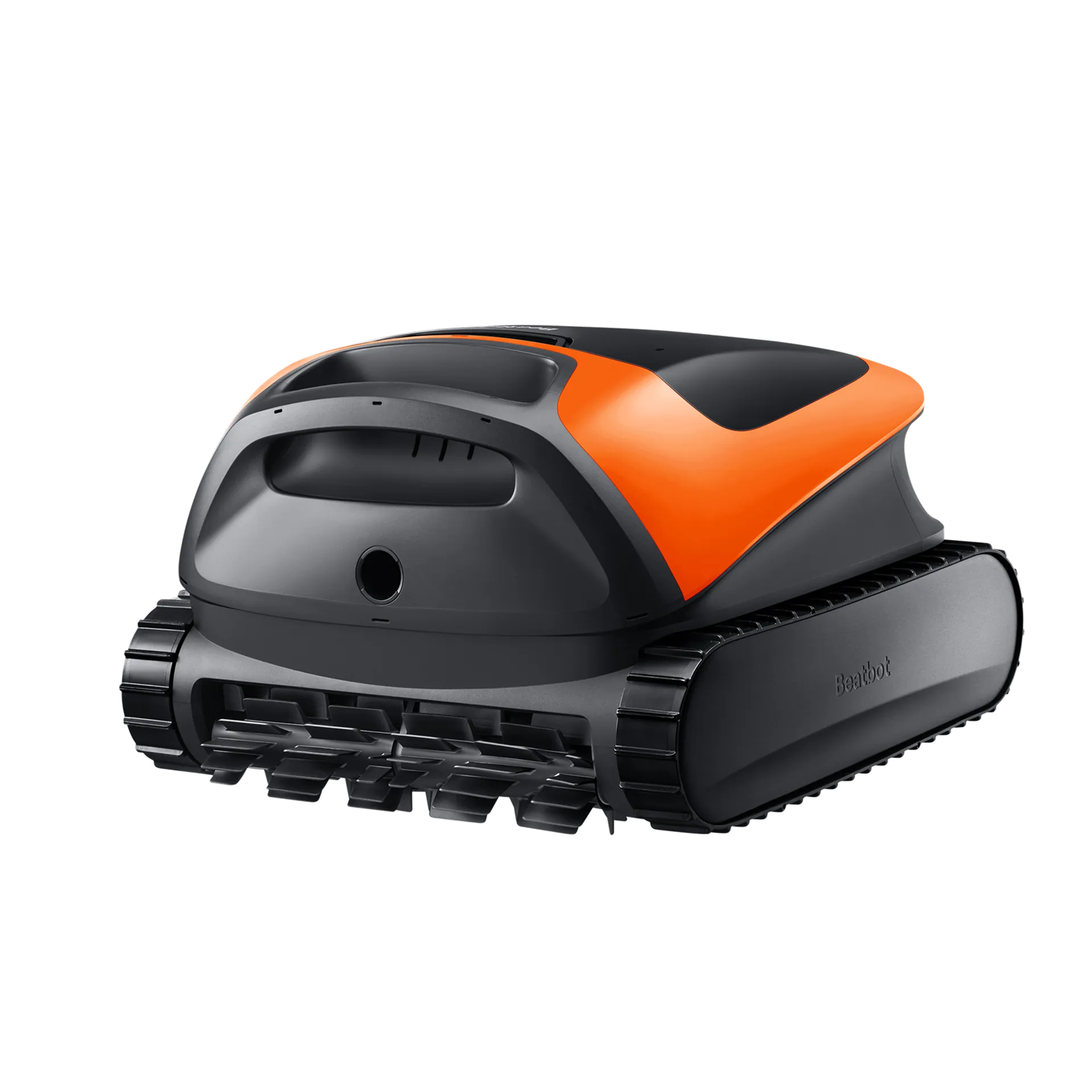
Swimming-pool floor, walls, waterline and floating debris
≈ USD 1,380.87
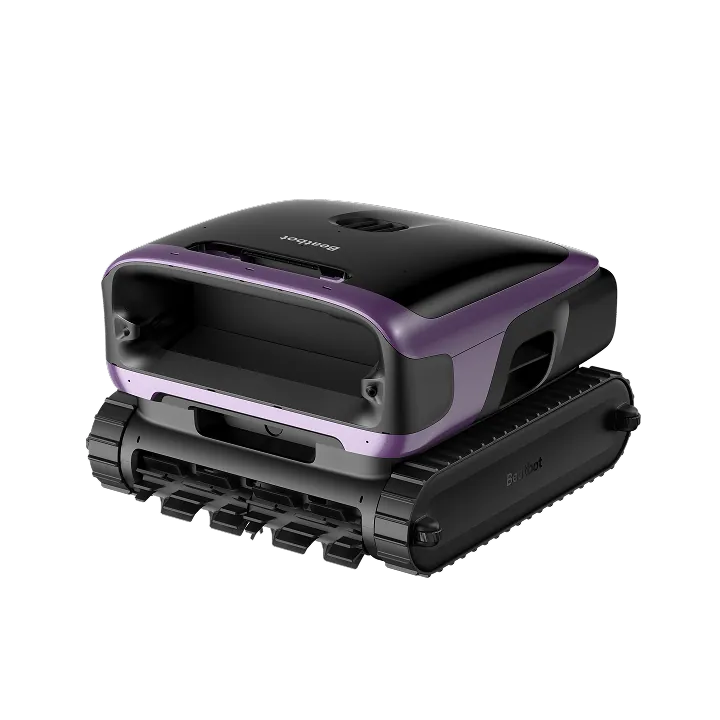
Routine pool cleaning
- Runtime (conditions not specified)
- Up to 200 min
USD 299.00
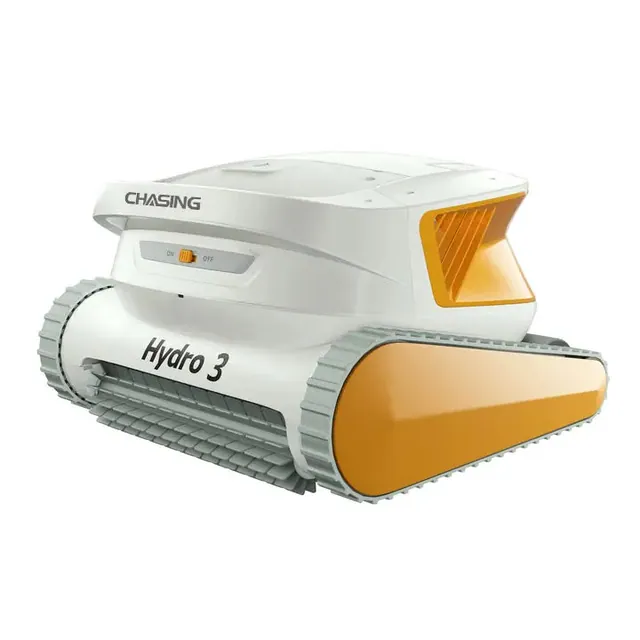
Scheduled residential pool cleaning
- Runtime (conditions not specified)
- 200 min; up to 300 min in Eco mode
USD 509.00
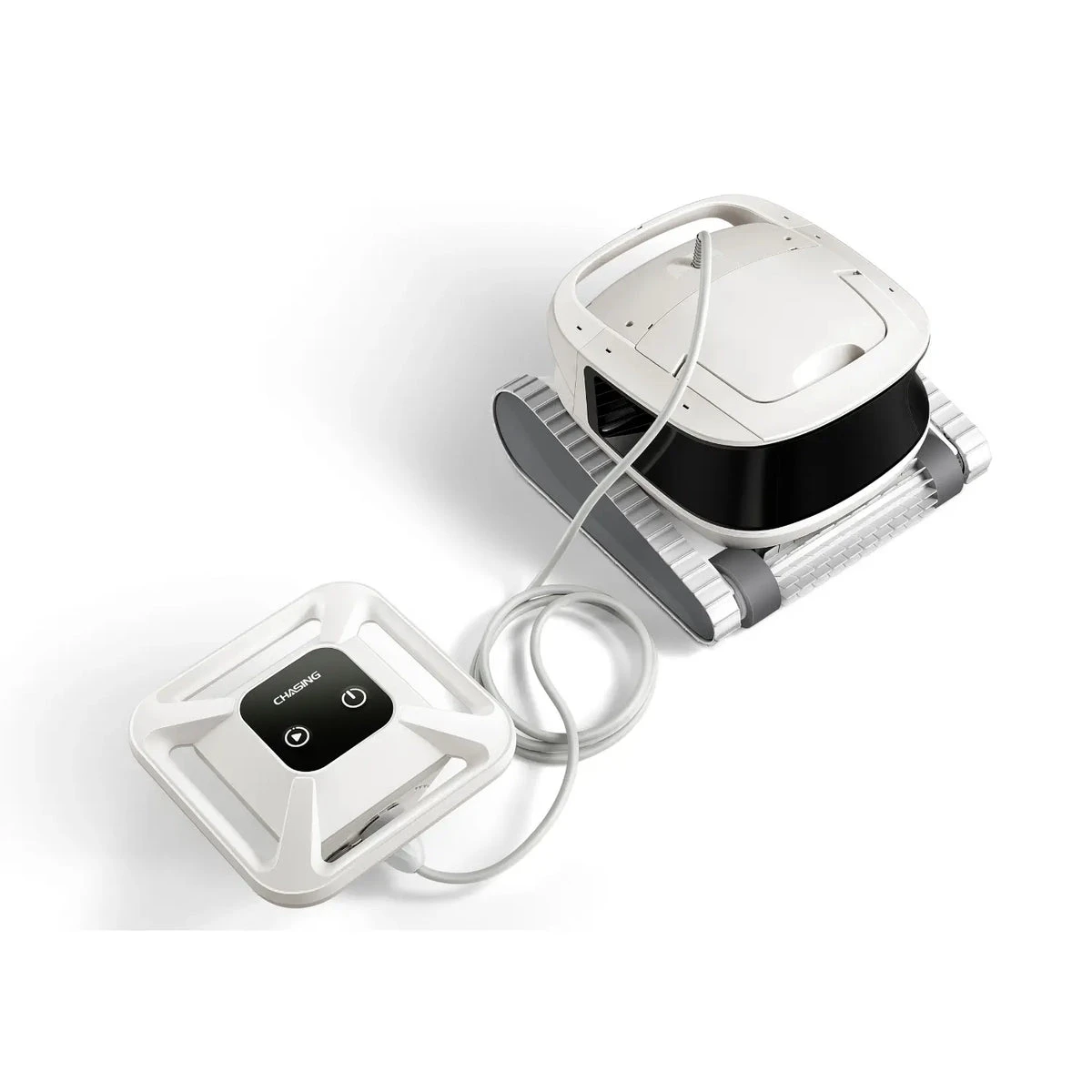
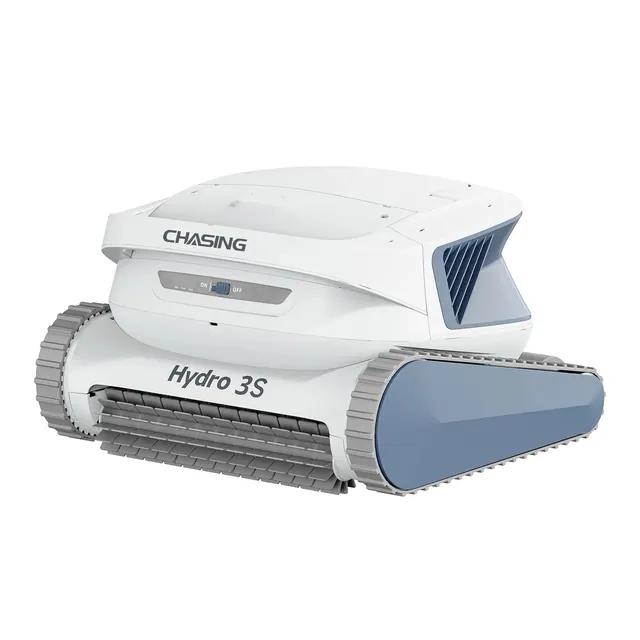
Residential pool maintenance
USD 319.00
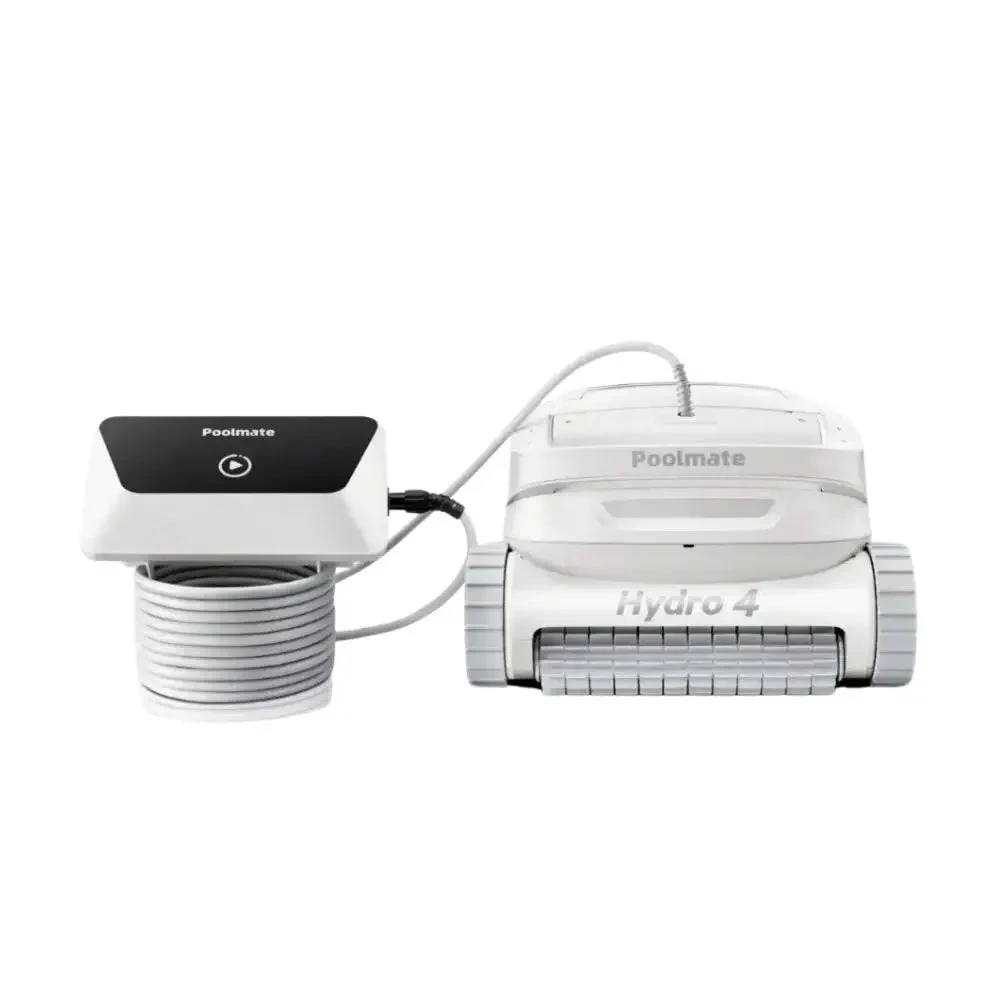
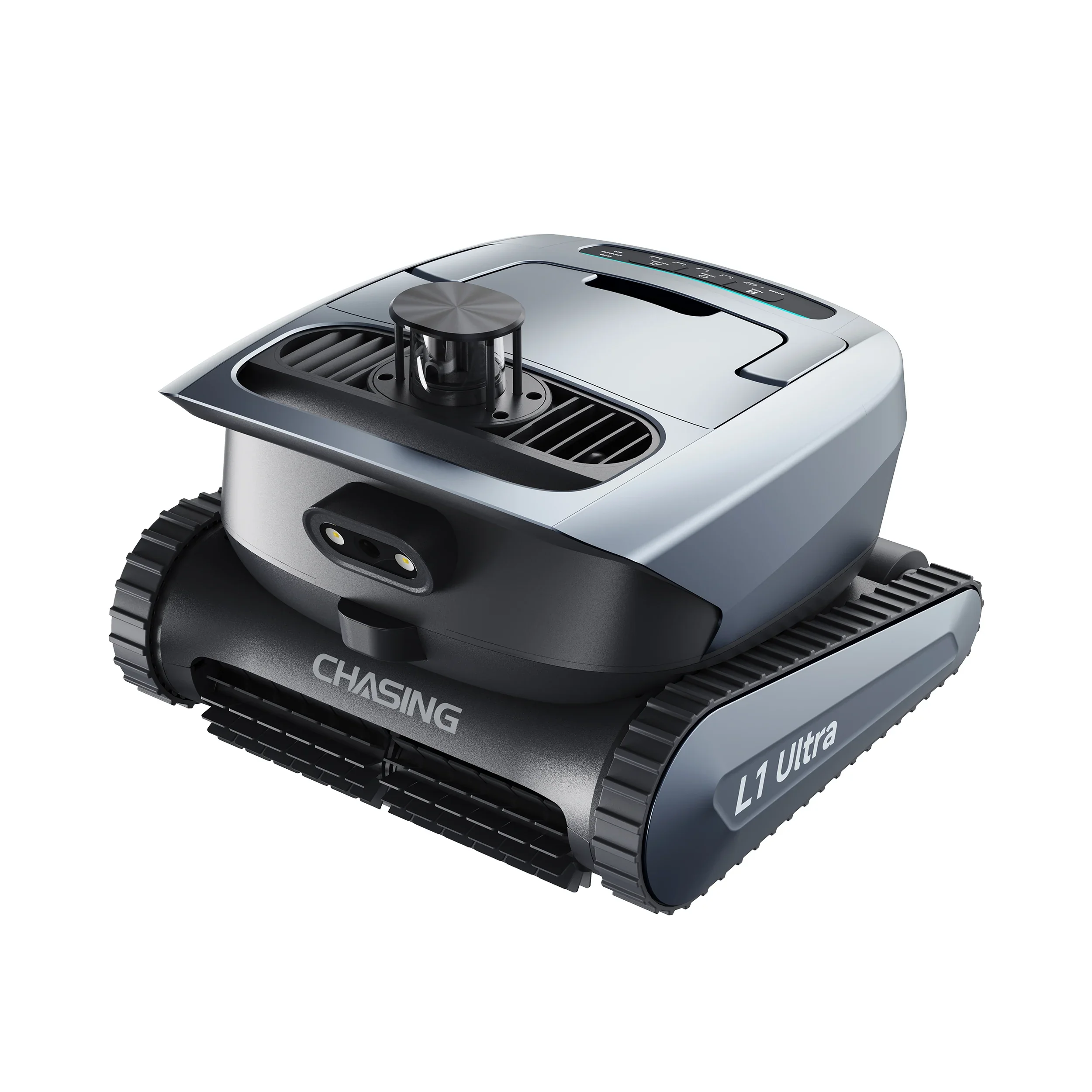
Nettoyage planifié de piscines avec cartographie et détection visuelle
USD 1,299.00
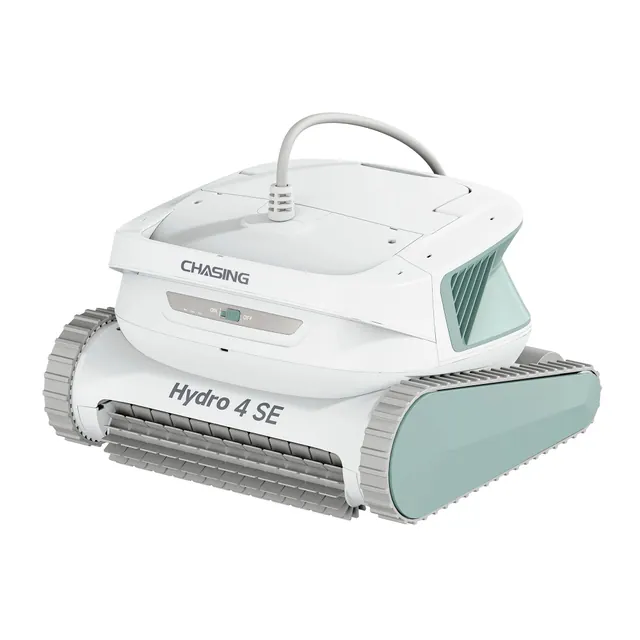
Scheduled residential pool cleaning
- Weight
- 6.5 kg
USD 429.00
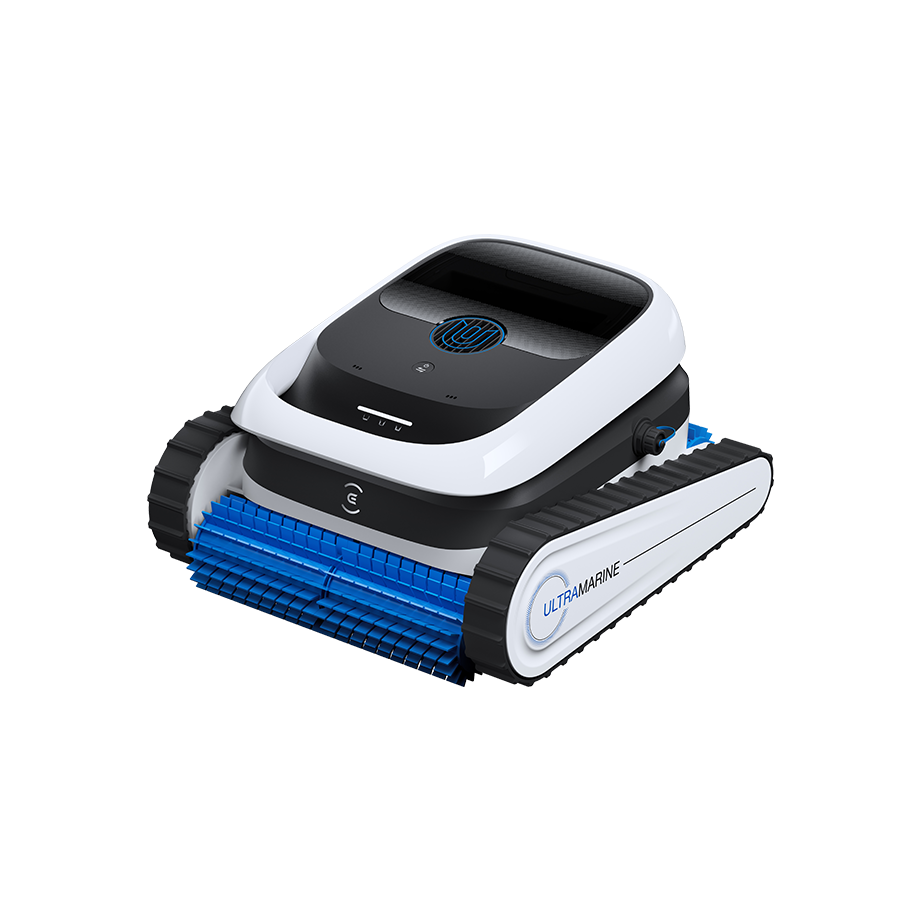
Entretien du fond et des parois d’une piscine domestique
USD 499.99
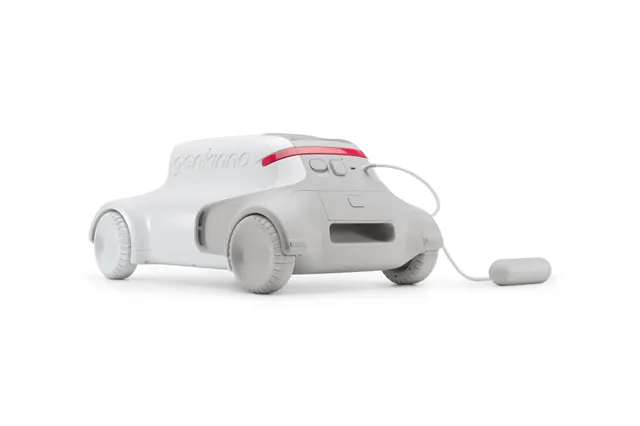
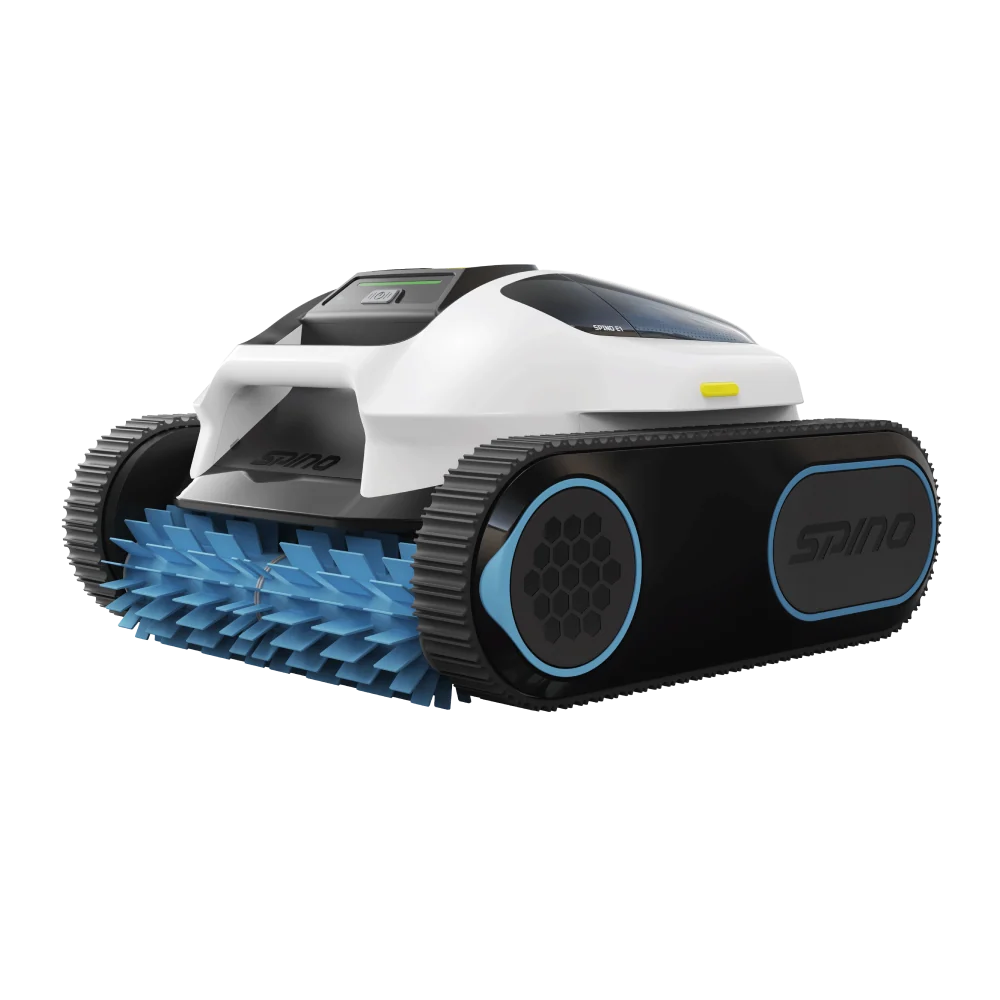
Private in-ground or above-ground pools up to 150 m².
≈ USD 876.34
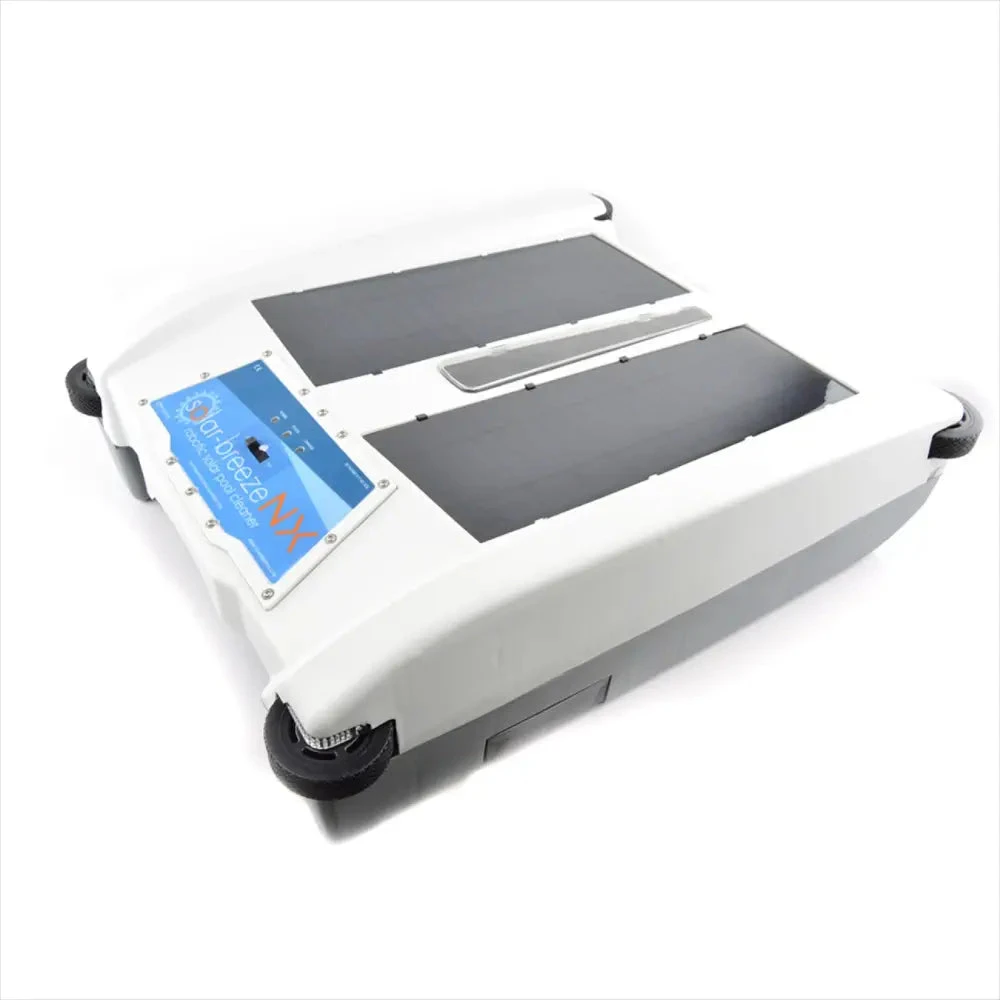
Documenting a discontinued surface-cleaning robot
USD 594.29
Understand this robot category
Pool-cleaning robots collect debris from compatible submerged surfaces. Floor, wall and waterline coverage must be checked separately. Match the cleaner to the pool dimensions, finish, steps and access method before choosing between cordless convenience and a cable-powered operating workflow.
Before choosing a model
01
Confirm pool length, depth and surface compatibility
02
Check the cleaning modes and retrieval method
03
Compare filter access and fine-debris handling
04
Include charging, storage and consumable care
Common questions
What is the difference between a pool vacuum and a pool robot?
Pool vacuum is a broad term that can include manual and automatic equipment. This collection focuses on robotic cleaners. Check whether each model covers the floor, walls or waterline and whether it uses a cable or a battery.
Should I choose a cordless pool robot?
Compare cleaning coverage and filter handling first, then battery runtime, retrieval, charging and storage. A cordless design is convenient for some pools; a corded model has different power and handling constraints.