What to consider before choosing
Typical environments include:
- University robotics labs
- Embodied-AI teams
- Supervised industrial R&D
Potential benefits
- Combines physical control and perception research
- Supports repeatable experiments on one platform
A humanoid research project needs a reproducible development platform, not simply a robot that can perform a demonstration. Decide which experiments require joint control, onboard computing, manipulation or perception and verify access to those capabilities in the exact hardware edition.
Typical environments include:
Inclusion means the robot is mapped to this use case from available product information. It is not a guarantee that the product fits every site.
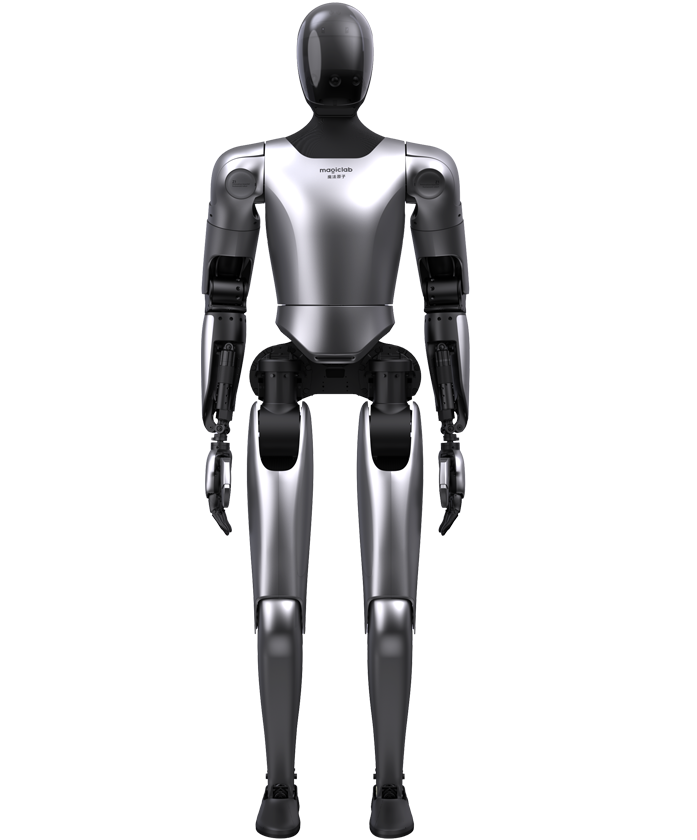
Industrial humanoid development
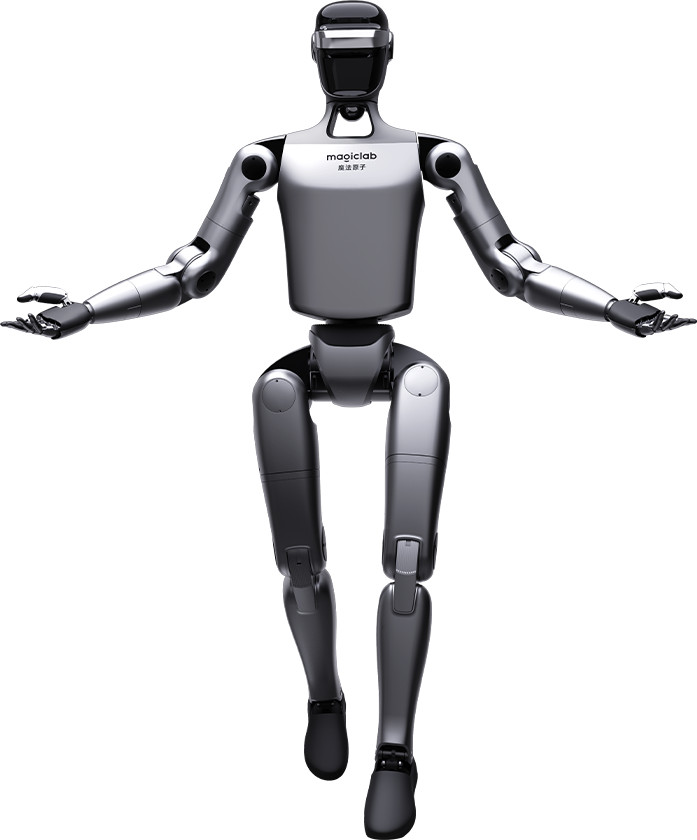
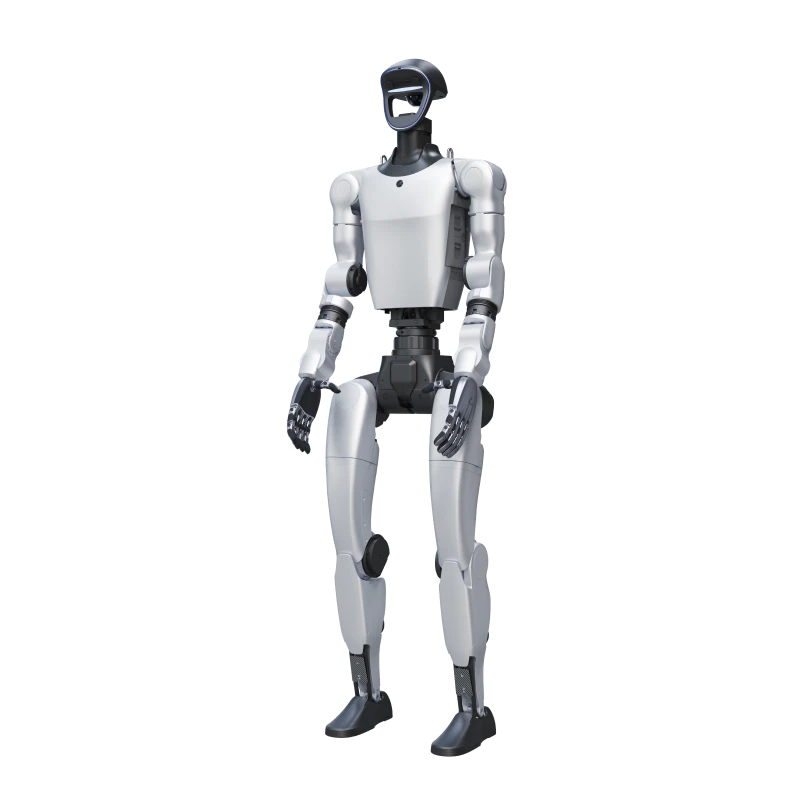
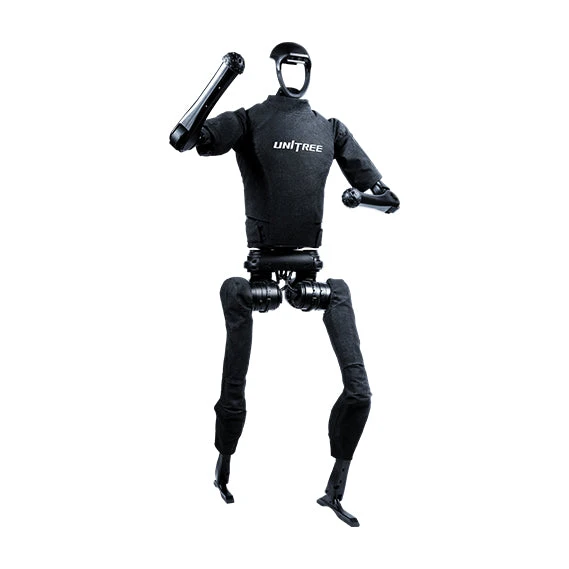
| Robot | Price / status | Published detail | Check before choosing |
|---|---|---|---|
| MagicLab MagicBot Gen1 | Contact manufacturer | Standing dimensions: 174 × 58 × 28 cm | Published performance figures are manufacturer claims, not independent deployment validation. |
| MagicLab MagicBot Z1 | Contact manufacturer | Standing dimensions: 1369 × 422 × 200 mm | The 24-DoF base and up-to-50-DoF equipped versions are different configurations. |
| Unitree G1 | From USD 13,500 | Height: 1320 mm | Base G1 does not support secondary development. Ask Unitree for the exact EDU configuration required for your project. |
| Unitree H1 | Contact manufacturer | Height: About 180 cm | Public pricing is not listed on the official page |