What to consider before choosing
Typical environments include:
- Industrial plants
- Utility facilities
- Controlled infrastructure sites
Potential benefits
- Repeated observations from agreed locations
- Less routine travel through selected inspection routes
Robotic inspection collects observations along planned or remotely operated routes. The value comes from reliable measurements and a process for acting on anomalies. Start with the assets and inspection questions, then choose mobility, sensors and reporting tools that support them.
Typical environments include:
Inclusion means the robot is mapped to this use case from available product information. It is not a guarantee that the product fits every site.
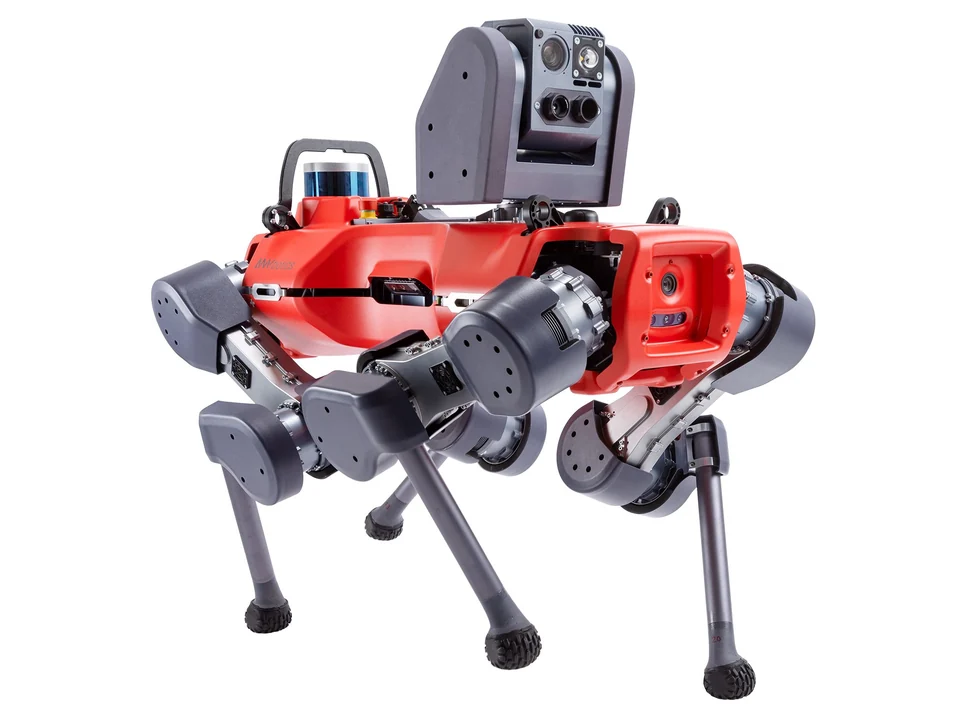
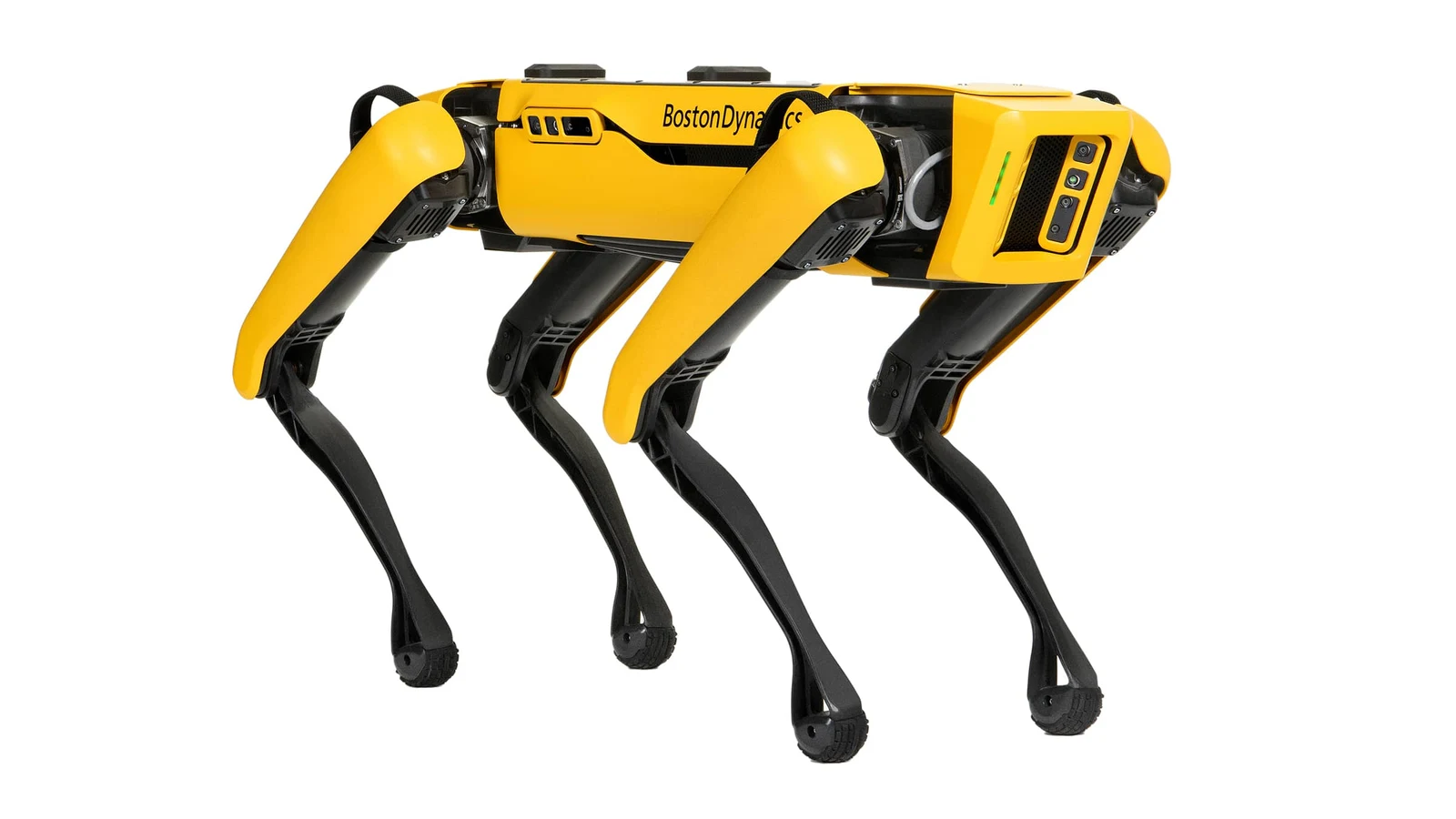
Remote industrial inspection
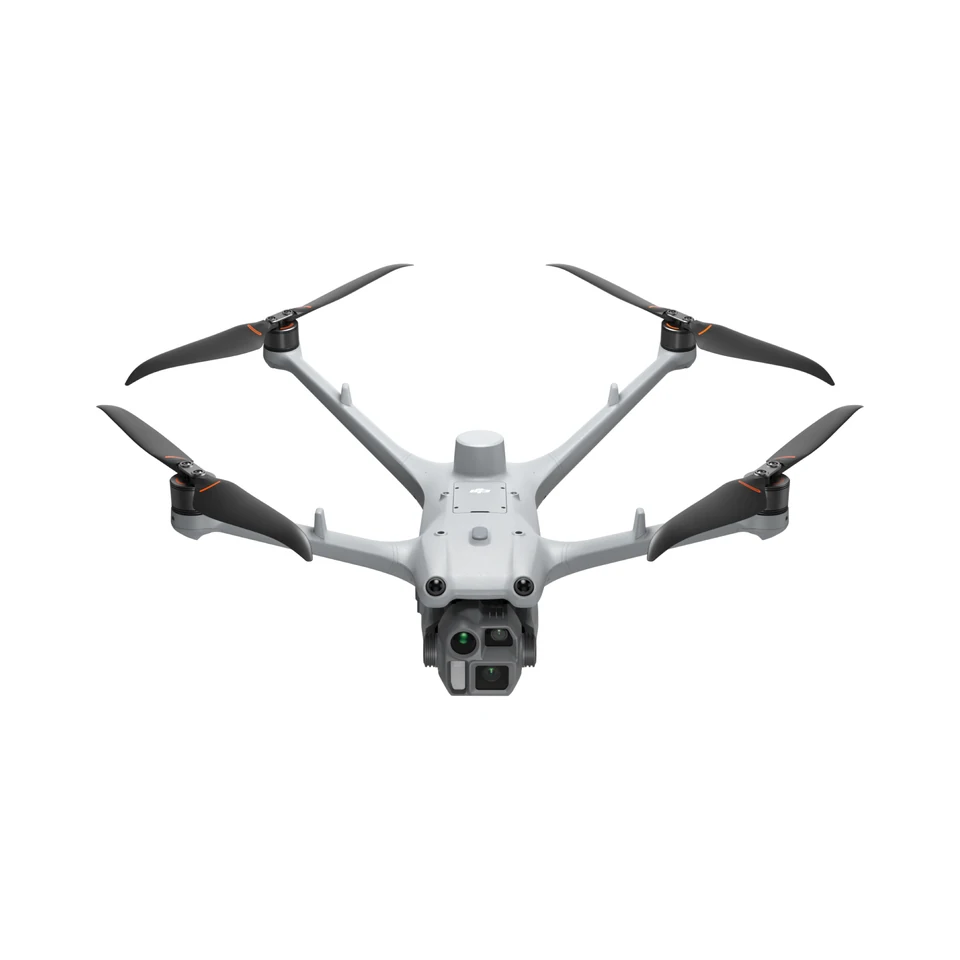
Repeatable site imaging
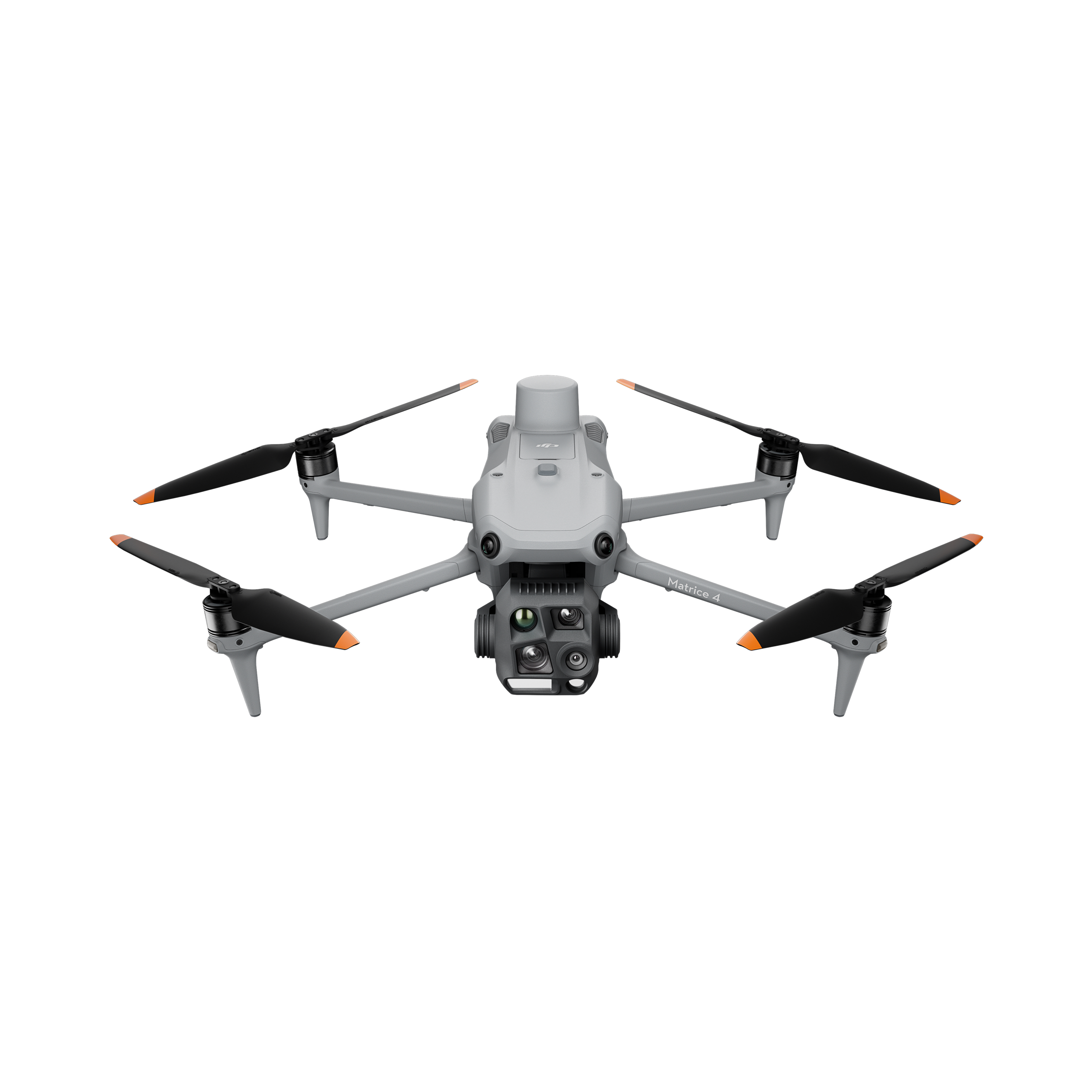
Facility patrols

| Robot | Price / status | Published detail | Check before choosing |
|---|---|---|---|
| ANYbotics ANYmal | Contact manufacturer | Travel speed: 0.75 m/s normal walking | Validate the route and inspection task on site |
| Boston Dynamics Spot | Contact manufacturer | Weight: 33.8 kg with battery | Payloads and autonomy software affect solution scope and cost |
| DJI Matrice 4D | Contact manufacturer | Weight: 1850 g | Operating permissions and site conditions determine feasibility |
| DJI Matrice 4T | ≈ USD 8,508.55 | Aircraft weight: 1219 g with standard propellers | Survey software and RTK corrections depend on the deployment. |
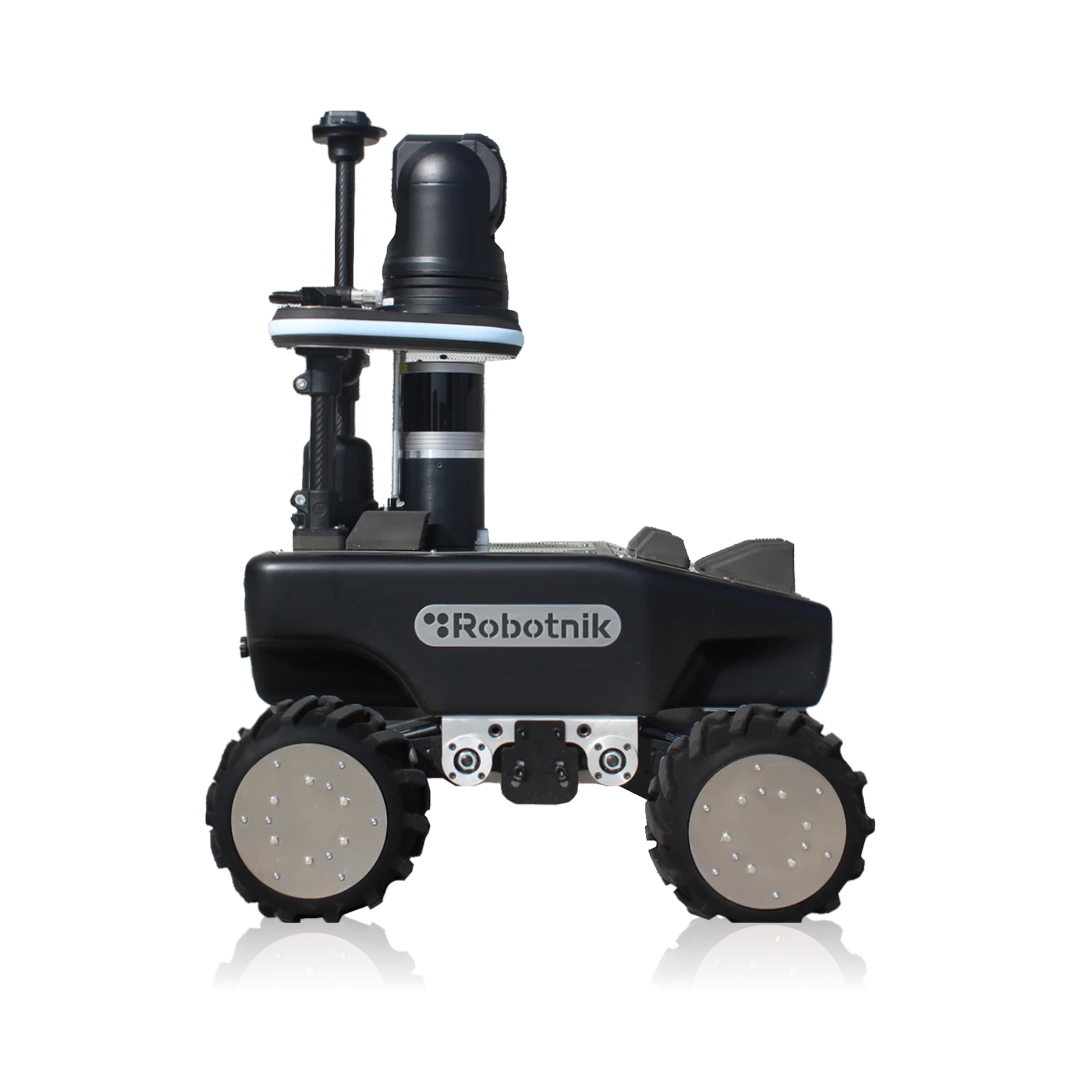
| Robotnik RB-WATCHER | Contact manufacturer | Runtime: Up to 5 hours | Site response procedures and connectivity remain necessary |
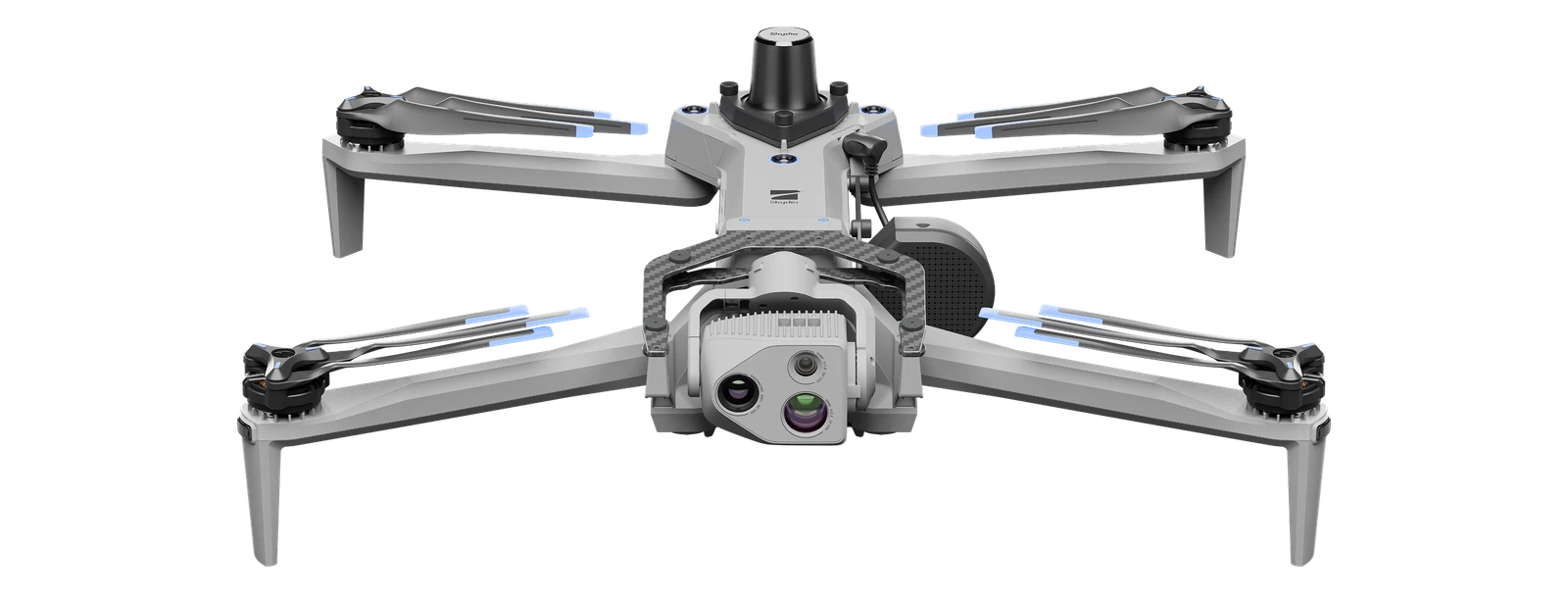
| Skydio X10 | Contact manufacturer | Weight: 2.11 kg | Flight permissions and operator oversight remain necessary |
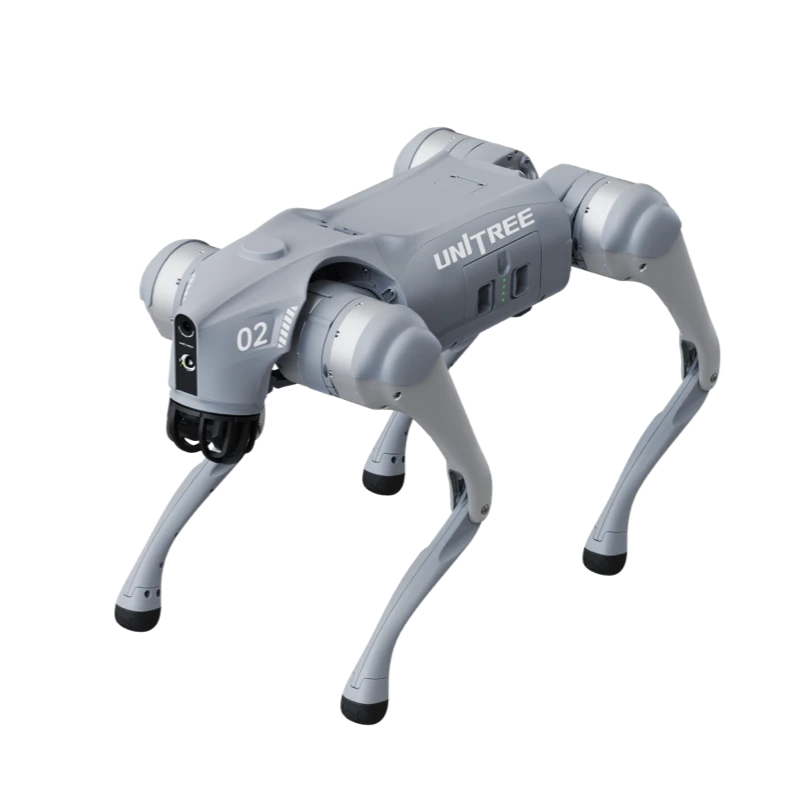
| Unitree B2 | Contact manufacturer | Standing dimensions: Approximately 1098 × 450 × 645 mm | Sensing equipment and computers vary by configuration. |
| Unitree Go2 | From USD 1,600 | Standing dimensions: 70 × 31 × 40 cm | Capabilities vary substantially by version |