Application

Palletizing

Robotic palletizing automates repetitive end-of-line stacking. Choosing a system means matching payload, reach, cycle time, box or bag variability, pallet patterns and safety architecture—not simply selecting the arm with the highest payload.

What to consider before choosing

Typical environments include:

  • Food and beverage lines
  • Consumer goods packaging
  • Industrial manufacturing
  • Distribution and end-of-line logistics

Potential benefits

  • Reduces repetitive heavy handling
  • Can create repeatable pallet patterns
  • Flexible cobot cells can be redeployed more easily than fixed automation in some applications
Decision factors

Check it on site.

  • Maximum product weight including gripper
  • Required reach and pallet height
  • Cycle time and number of SKUs/pallet patterns
  • Gripper, conveyor interfaces, guarding and application risk assessment
Find the right robot
Limits & trade-offs

The limits to keep in mind.

  • Robot-arm price is only one part of a complete palletizing-cell cost
  • Collaborative robot does not mean every application is automatically safe without a risk assessment
Robots available

4 models to explore in the catalogue

These robots are listed for this task. Check that they suit your site.

A starting comparison

Ask the right questions.

Compare 4 models
RobotPrice / statusPublished detailCheck before choosing
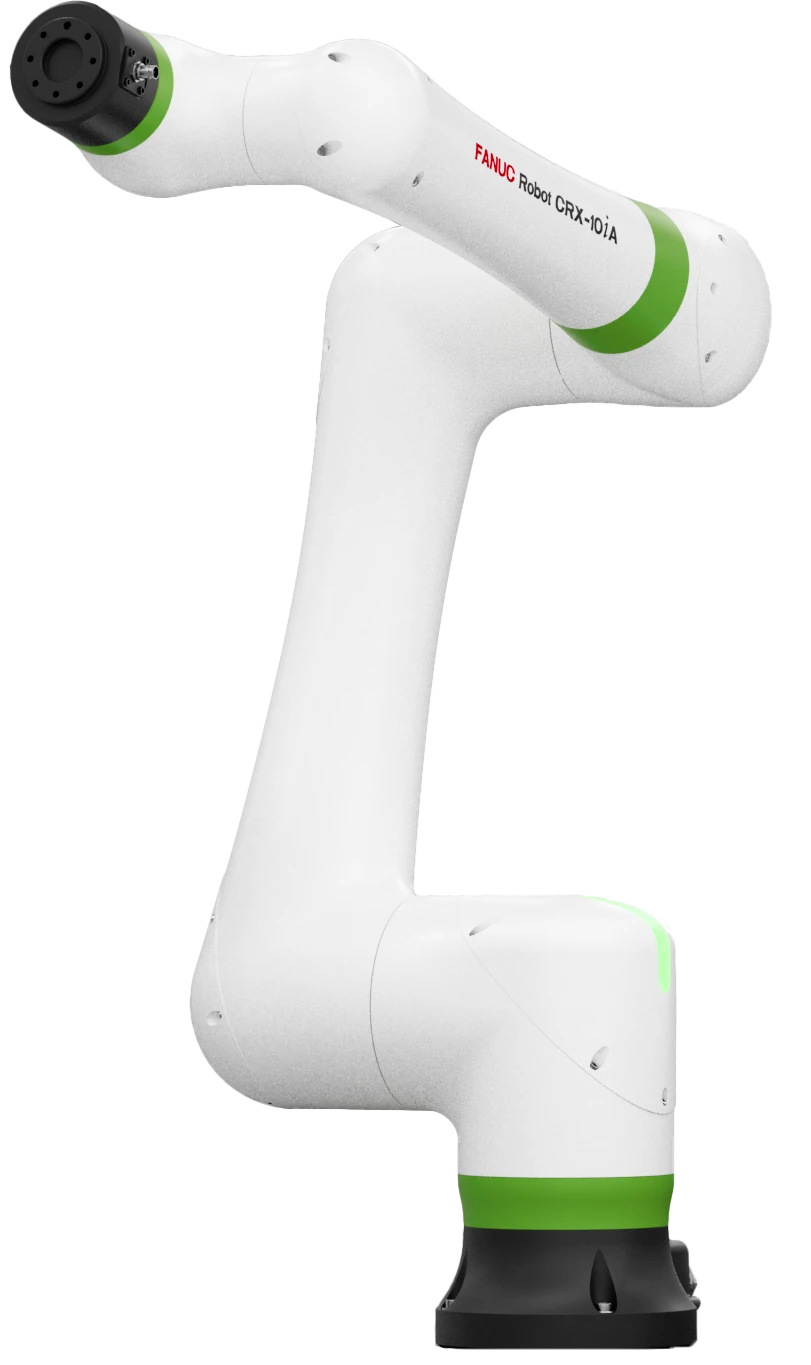
FANUC CRX-10iA≈ USD 40,581.60Arm payload: 10 kgApplication risk assessment still required
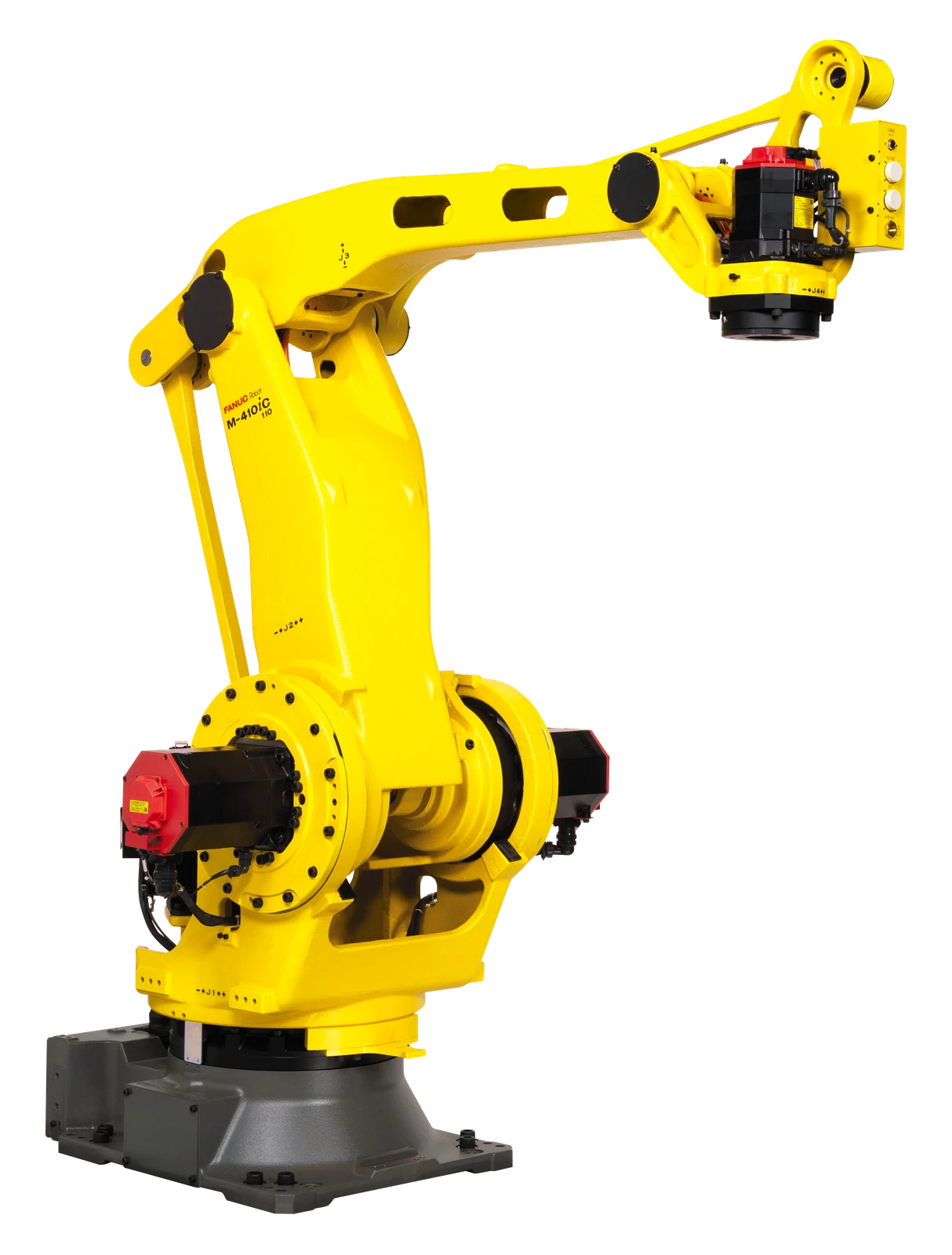
FANUC M-410iC/110Price on requestArm payload: 110 kgRequires a complete guarded or otherwise assessed cell
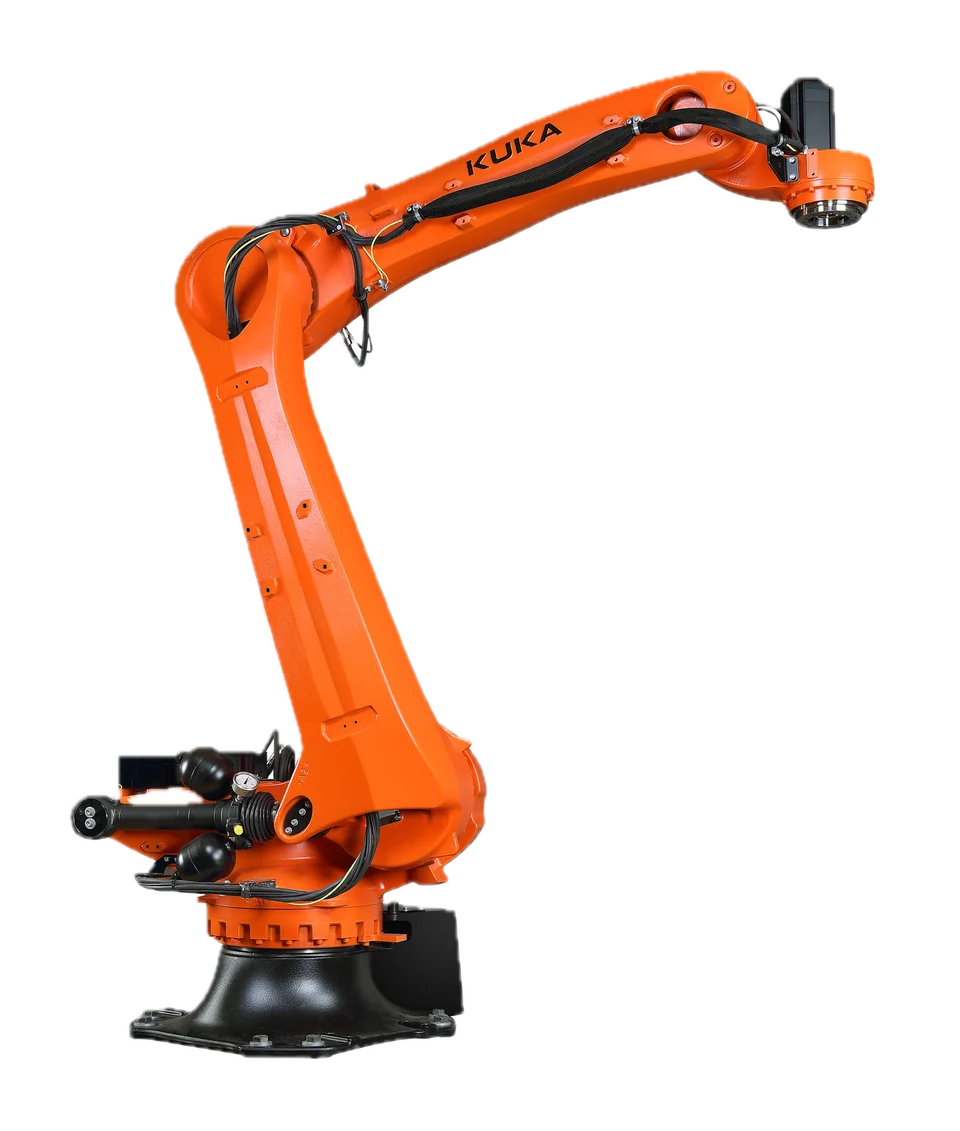
KUKA KR 240 R3200-2 PAPrice on requestArm payload: 240 kgTool and product mass share the load allowance
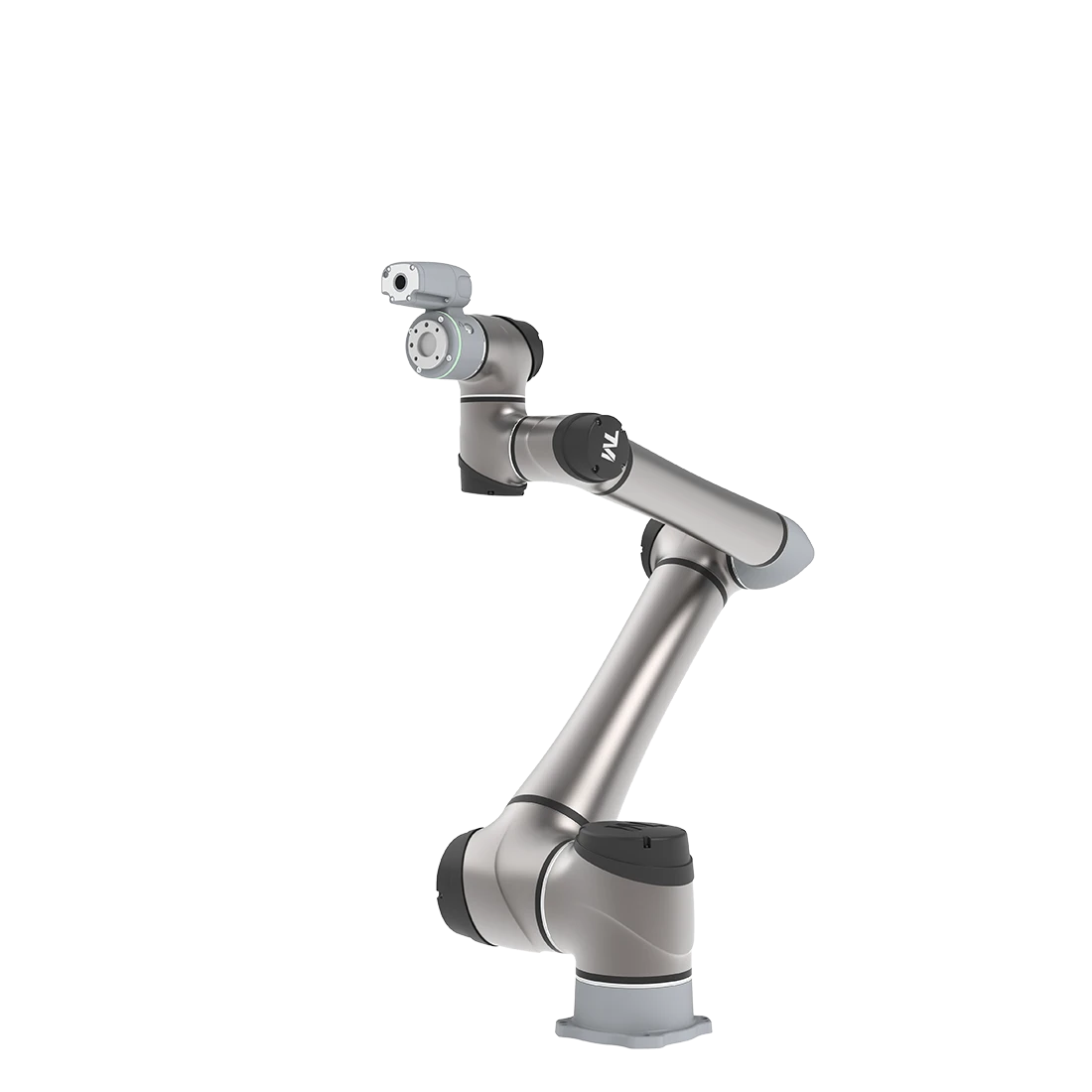
Techman TM12SFrom ≈ USD 35,975.04Arm payload: 12 kgValidate vision performance on the actual parts

Prices apply to the market and version shown on each profile. A missing price does not guarantee a quote service.

Related tasks and industries

Read before you buy