Industry

Robotics for manufacturing

Manufacturing robotics spans collaborative arms, industrial cells, AMRs, inspection platforms and more. A useful evaluation starts with takt time, variability, ergonomics, safety and integration requirements.

Where robots can help

Typical environments include:

  • Assembly
  • Machine tending
  • Palletizing
  • Internal logistics and inspection

Potential benefits

  • Improves repeatability on suitable tasks
  • Can reduce repetitive or ergonomically difficult work
  • Flexible platforms can support product-mix changes
Decision factors

Validate the deployment, not only the spec sheet.

  • Cycle time and process variation
  • End effector and tooling
  • Safety architecture
  • PLC/MES interfaces and integration ownership
Find the right robot
Limits & trade-offs

What the product page may not tell you.

  • The robot is often a minority of total engineering effort
  • High product variability can require more sensing, tooling or software than expected
Robots available

26 potential matches in the sourced catalog.

Inclusion means the robot is mapped to this use case from available product information. It is not a guarantee that the product fits every site.

A starting comparison

Ask the right questions.

Compare 2 models
RobotPrice / statusPublished detailCheck before choosing
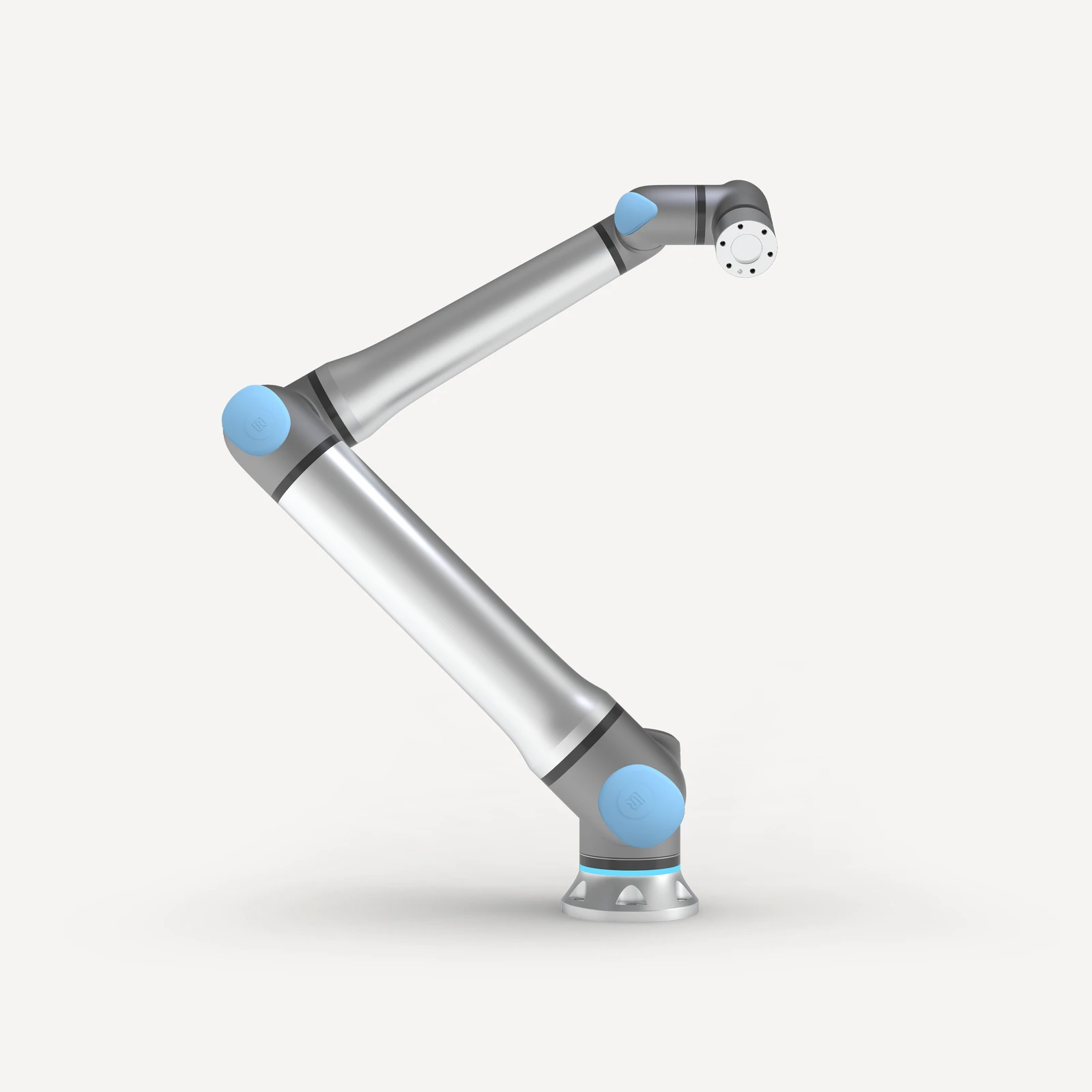
Universal Robots UR20-1750Contact manufacturerPayload: 20 kg; 25 kg with stated boundary conditionsApplication safety is cell-specific and requires proper risk assessment
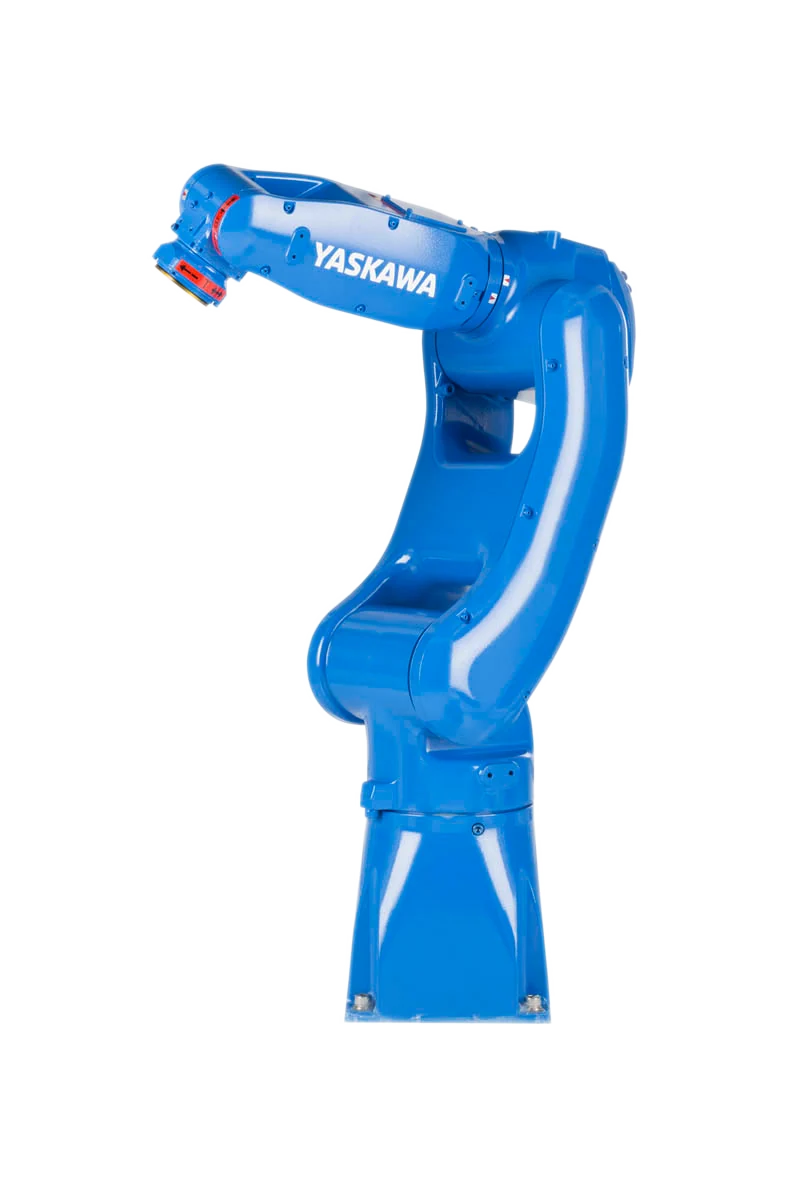
Yaskawa MOTOMAN GP8Contact manufacturerArm payload: 8 kgConfirm controller and programming package in the quote

Prices refer to the source market and configuration on each robot page. An unpublished price does not establish whether a quotation service is offered.

Related tasks and industries

Read before you buy